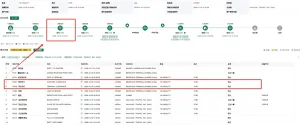
Explore our highly precise, API-driven tools designed to resolve transit delays and optimize port-to-port maritime scheduling.
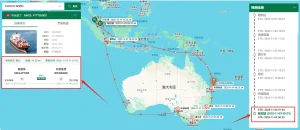
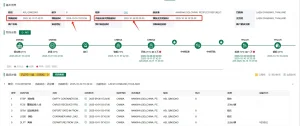
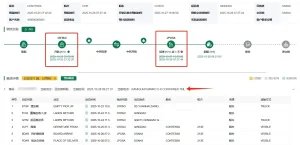
An authoritative analysis on container visibility, macro-economic bottlenecks, and technical integration strategies.
In today's highly fragmented global trade network, tracking container shipping is no longer limited to simple port-to-port timestamps. Procurement directors and supply chain managers require deep, real-time contextual information to control logistics costs, prevent demurrage fines, and maintain seamless relationships with distributors.
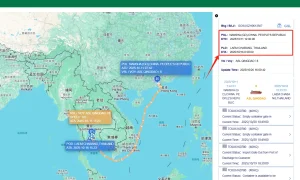
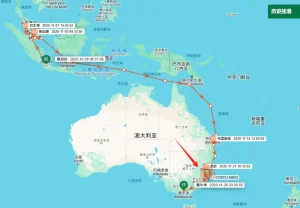
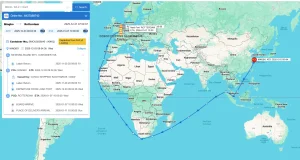
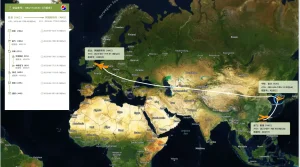
By leveraging Automatic Identification System (AIS) transponders, port terminal API feeds, and multi-carrier scheduling directories, digital ocean tracking networks compile disparate raw datasets into actionable logistics assets. This transition from retrospective logistics reporting to real-time, predictive tracking is the cornerstone of modern industrial supply chain planning.

Multinational companies face volatile spot rates, complex demurrage and detention (D&D) penalties, and unpredictable transit times. Key priorities for global procurement teams include:
To secure end-to-end resilience, supply chains must integrate multiple micro-solutions into a cohesive freight management framework:
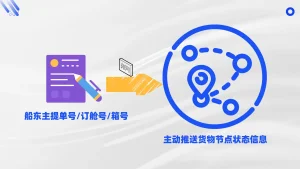
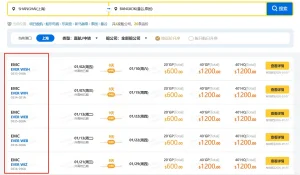
Streamline your operations by auto-matching container schedules, monitoring delays, and feeding AIS data directly into internal workflows.
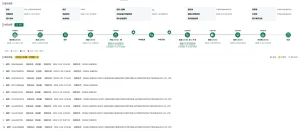
Get automated warnings for gate-in, vessel departure, transshipment transfers, port arrivals, and customs release updates.
Extend visibility beyond ports to include North American rail hubs and last-mile drayage networks, ensuring full supply chain coverage.
The maritime tech space is moving quickly from passive data points to predictive intelligence. Below is our technology integration timeline designed to help enterprises plan their digital logistics investments over the next 12 to 36 months.
Combining terrestrial and satellite AIS networks, carrier EDI messages, and direct integrations with terminal operators to clear up visibility blind spots in open-ocean transit.
Leveraging machine learning to analyze historical port congestion, weather patterns, and ocean currents to dynamically adjust container ETAs, helping organizations proactively redirect drayage operations.
Integrating smart containers equipped with internal sensors directly into logistics tracking APIs to monitor temperature, humidity, shock, and door status for high-value and perishables shipments.
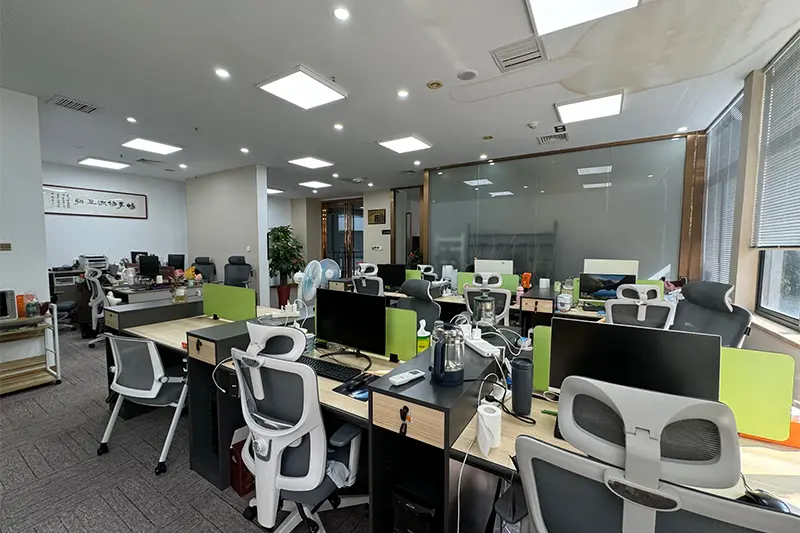
Founded in 2015, Trackingeyes is a premier provider of global end-to-end logistics tracking and supply chain visualization systems. With a founding team bringing over ten years of logistics expertise, we deeply understand the operational friction points and administrative overheads that shippers face daily.
We specialize in global end-to-end cargo tracking across ocean and air freight, serving thousands of import and export enterprises worldwide. Our services feature highly customizable tracking interfaces and developer-friendly open APIs, helping organizations eliminate tracking blind spots, improve supply chain predictability, and cut operational costs.

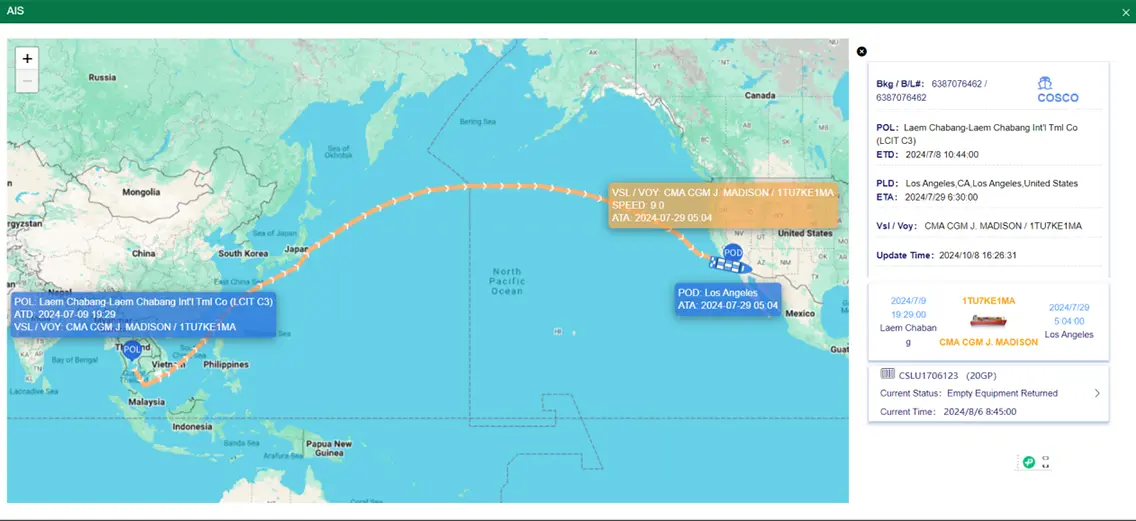
The Trackingeyes platform establishes full-chain visibility by aggregating data from key transport hubs, including rail yards, container depots, port terminals, customs offices, shipping lines, and air cargo carriers.
Through our platform, organizations connect directly with hundreds of global data channels. This approach replaces multi-portal tracking workflows with clean, standardized, and secure data feeds. We comply fully with global data privacy requirements (including GDPR and CCPA) and follow strict ISO cybersecurity standards, ensuring your shipping metrics and vendor relationships remain secure.
Technical and procurement answers to help you streamline your shipping integrations and control freight tracking costs.
We combine carrier-reported schedules with live satellite and terrestrial AIS vessel signals, historical port queue times, and regional weather tracking. This multi-source data lets our platform identify errors in carrier-issued ETAs and provide more reliable predictive schedules.
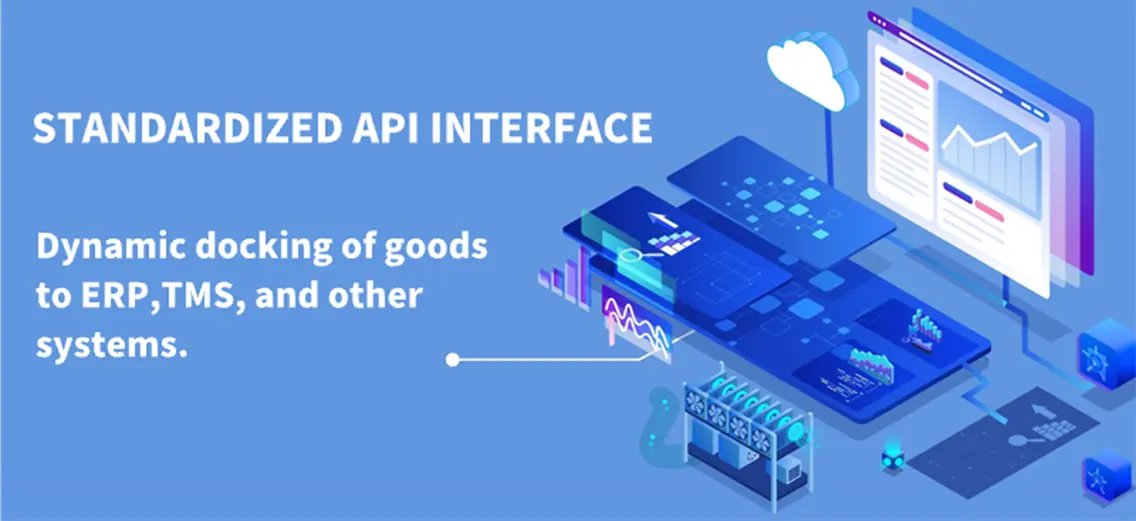
Our data services use a RESTful JSON API structure, allowing developers to pull data on demand or configure webhooks for real-time alerts. This integration enables automatic updates within standard ERP systems, WMS setups, and customer support portals.
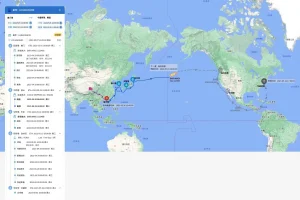
Yes. For true end-to-end container tracking, our API monitors key inland milestones, including North American rail transitions, dry port transfers, and terminal-to-door drayage runs.
By sending real-time notifications on container arrival times, customs releases, and port gate-out windows, the platform helps logistics teams schedule pick-ups and return empty containers within standard free-time periods.
Deploy enterprise-grade tracking modules to optimize port operations, align customs clearance, and reduce transit bottlenecks.
 Trackingeyes